



What is Infrastructure?
When you think of infrastructure, you may think of highways, skyscrapers, schools, and construction. While these words do represent the idea of infrastructure, we can define it more broadly.
“Infrastructure” is the systems that help things live, move, and work together.
As humans, we have developed many systems to get our needs met. For example, we have roads to get us from one place to another. We have water supply systems, which provide us access to clean water. We have power lines to provide energy, and we have the internet to keep us connected.
Animals do not live in a “society” or “civilization” like humans. They don’t have a government, or a boss to tell them what to do, or money. Despite this, they have systems similar to humans. While we differ, humans and animals both have the same survival problems, and they have found similar ways to solve them.
Nature itself is one giant, living infrastructure system. Human infrastructure is often inspired by the systems that already exist in the natural world!
Beaver Dams – Human Dams
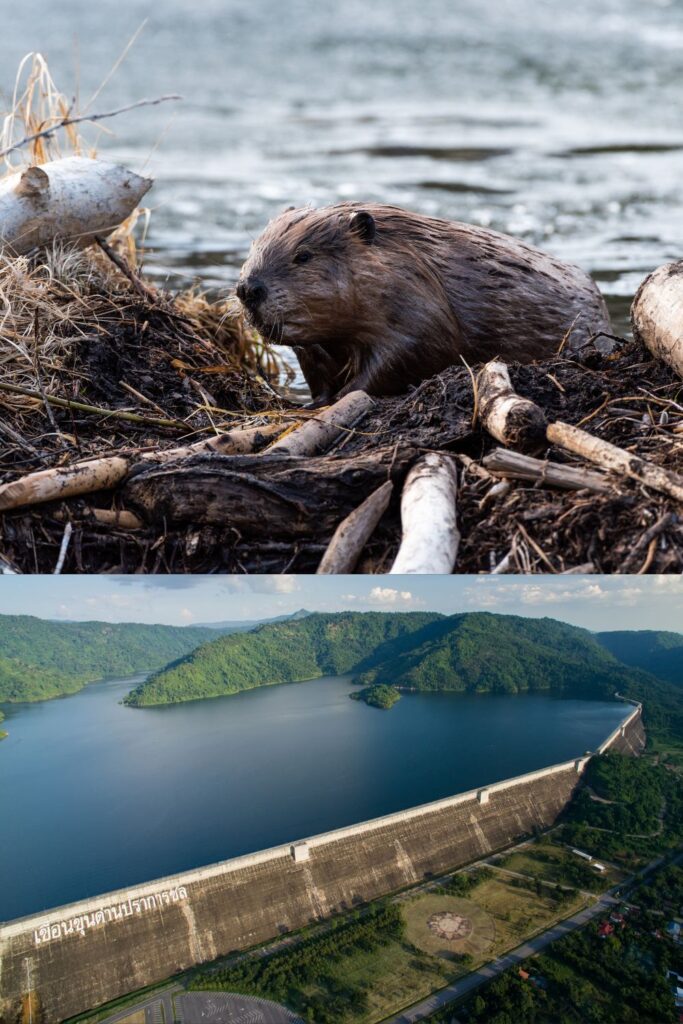
Beavers build dams in order to slow water and create ponds, where they can live.
Humans also build dams to slow water and prevent flooding. Dams can be used to store water or can be used to generate electricity.
Ant Roads – Human Roads
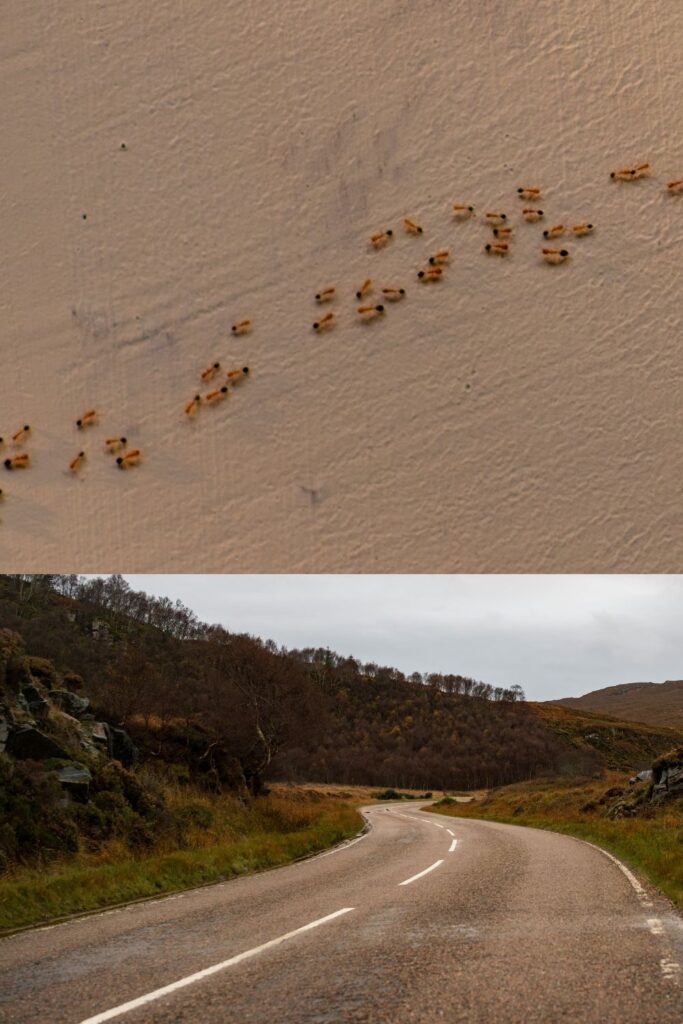
Ants create efficient paths to food using pheromones for other ants in the colony to follow.
Humans create paved roads and road laws to create efficient transportation for vehicles.
Mycellium – The Internet
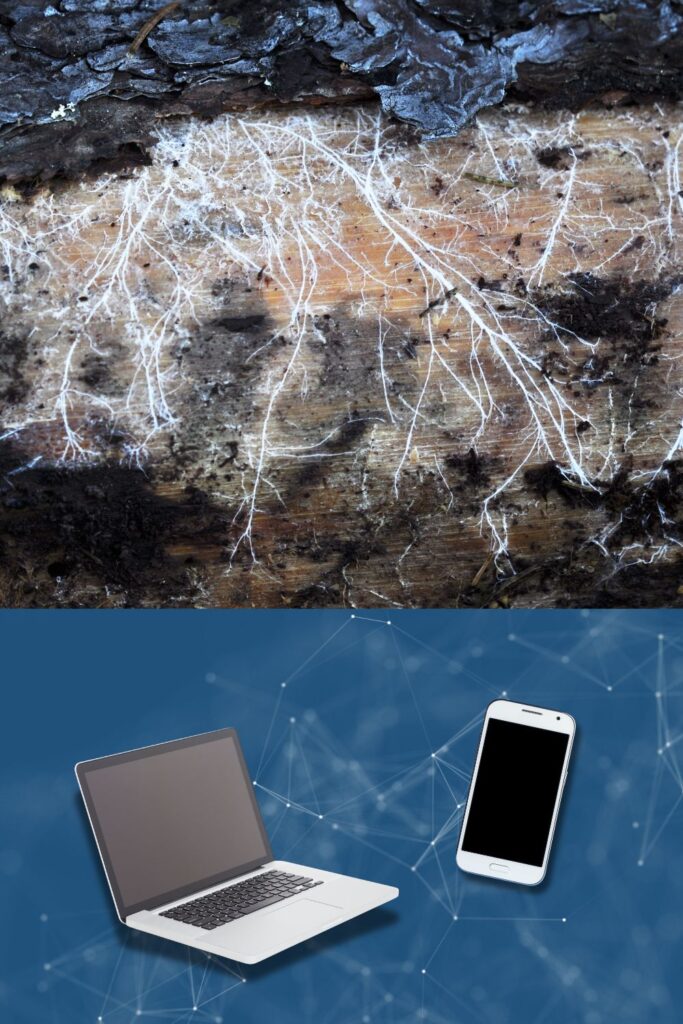
Fungi communicate using the Wood Wide Web. Mycellium is a network which connects trees to plants and alllows them to share resources with each other.
The internet, or the “world wide web (www.),” allows communication and transfer of information with humans on all parts of the world.
Elephant Trails – Hiking Trails
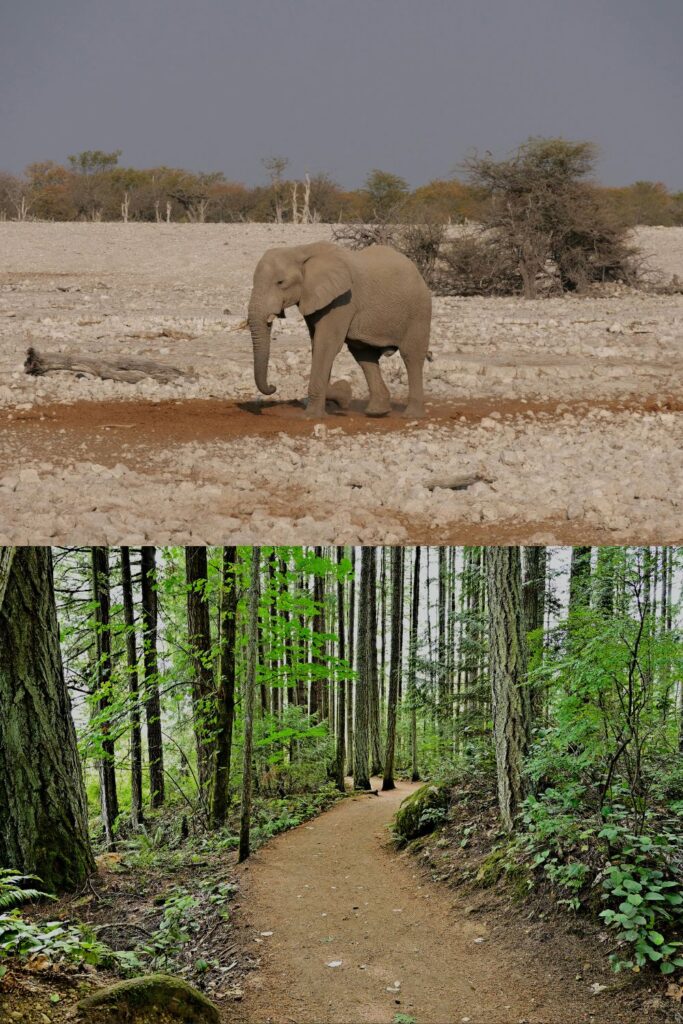
Elephants walk the same routes over and over, creating a walking path. Elephants make careful choices about where to walk. They will avoid steep terrain. They make paths with the knowledge of where food and water is most available.
Humans also create hiking trails to allow for safe exploration in nature.
Bee Waggle – GPS
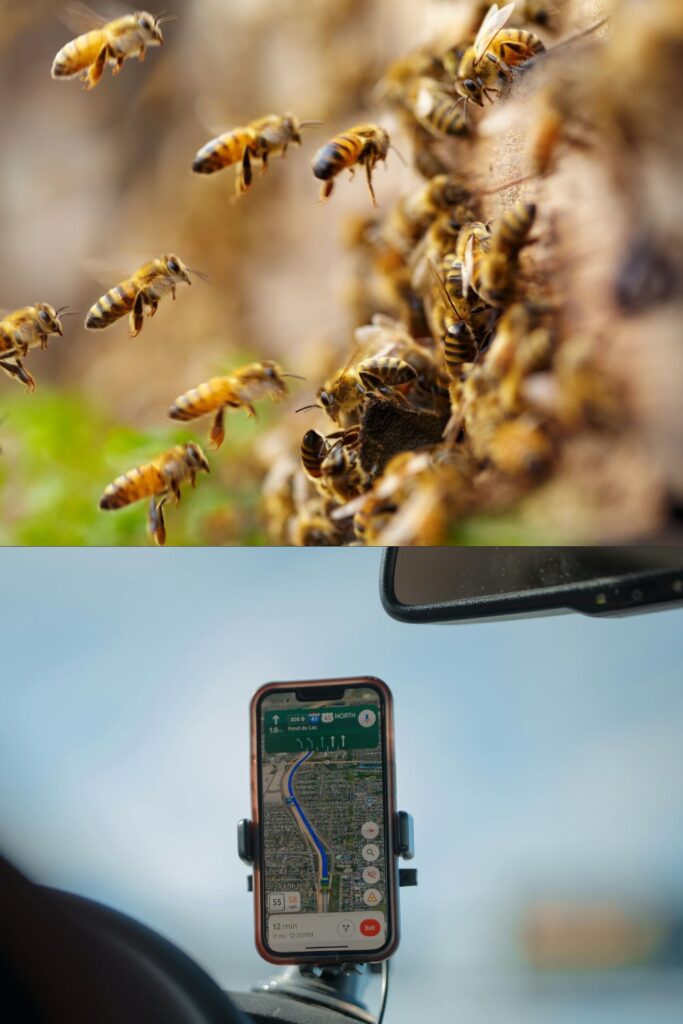
Bees perform a waggle dance in order to communicate precise location, distance, and new nest sites to the other bees in their hive.
Humans use GPS to navigate while traveling. They can also share their location with others.
Big Idea
When we connect with nature and make observations, we become more resourceful and more innovative! When we build new systems, we should always consider the natural environment. Humans should work with the natural order and ecosystems. We don’t exist outside of nature; we are a part of it!
When you notice an animal behavior, ask yourself these questions —
“What problem is the animal solving?”
“How do humans solve the same problem?”